Neighbors who have recently moved, local giveaway groups, and nearby businesses are good places to start when deciding where to get free moving boxes. Ask before collecting anything, confirm the pickup arrangement, and choose clean, dry cartons with sound seams and complete flaps. For a move in Painesville or the surrounding Lake County area, a few nearby sources may cover much of your everyday packing. The trick is finding useful sizes without spending days collecting boxes that will not suit your belongings.
A free box is only helpful if it can hold what you plan to put inside it. A large carton might work for bedding but become difficult to lift when filled with books. Used packaging also needs a closer inspection than new supplies. With a clear request and a simple collection plan, you can find suitable cartons, avoid unnecessary trips, and keep the packing process moving.
Start With People Who Have Recently Moved
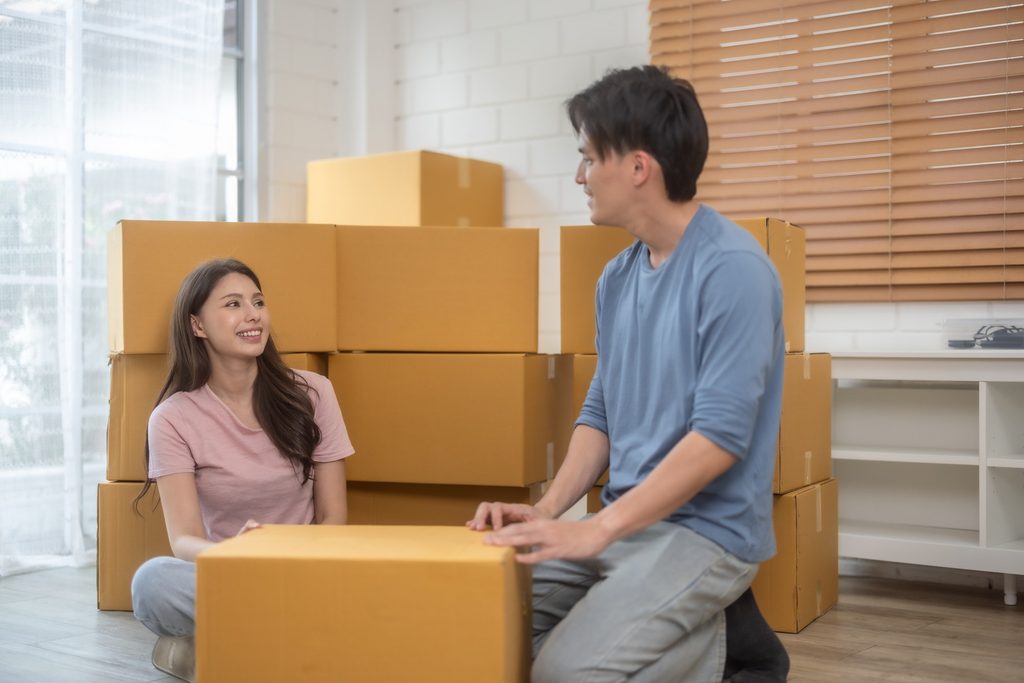
Ask friends, coworkers, relatives, and neighbors whether they have recently unpacked or know someone who has. People finishing a move may want their empty cartons out of the house, and asking directly gives you a chance to discuss sizes and condition before arranging a pickup. Explain that you need boxes with all their flaps, preferably flattened and kept indoors. Mention your packing deadline so someone who is still unpacking can tell you whether their timing will work for you.
You do not have to collect everything from one household. One neighbor might have several kitchen cartons ready now, while another could save delivery boxes over the coming week. Agree on whether you are taking the entire batch or selecting the sizes you need. If you live in an apartment or condominium, ask management whether residents can post a box request on an approved noticeboard or community page. Keep the request specific, and leave room for people to decline without feeling obliged to save packaging indefinitely.
Ask Nearby Businesses Before Boxes Are Recycled
Bookstores, office supply shops, pharmacies, and stores selling household goods are reasonable places to ask about unwanted shipping cartons. Their willingness to give boxes away will vary, so contact the business before making a trip. Ask an employee or manager whether customers may collect empty boxes and whether there is a convenient time to return. Some packaging may need to stay on site, while other cartons may already be committed to a recycling process. Treat any offer as an arrangement with that location.
Be clear about what you can use. Clean cartons from dry goods may suit your needs better than boxes with food residue, strong odors, or open tops. Ask for a manageable quantity that will fit in your vehicle, and collect it at the agreed time. Do not enter loading areas or take packaging from a dumpster or recycling container without permission. If staff set boxes aside for you, a prompt pickup keeps the arrangement useful for both sides and avoids leaving someone else with a growing pile.
Where To Get Free Moving Boxes In Painesville
For a local online option, the Lake County Freecycle group gives residents a place to offer and request reusable items. Membership is free, and everything posted must be offered free of charge. Join the local group to look for suitable listings or create a wanted post for moving boxes. This gives your request a local audience, although it does not mean cartons will be available whenever you need them. Read the post carefully and confirm the pickup before traveling.
Buy Nothing is another community gifting option, with free standard membership and ways to give or ask for items. You can also ask in neighborhood groups where giveaway posts are allowed. Keep your search area practical: a nearby collection in Painesville or Mentor may fit into an existing errand, while a distant pickup could take more time than the boxes are worth. Ask about the number, approximate dimensions, and condition of the cartons before agreeing. A photo can help you decide whether a batch suits your packing needs.
Write A Request That Makes Pickup Easier
A useful request tells people what you need and when you can collect it. For example, you could write: “Looking for clean, dry small and medium moving boxes near Painesville. Flattened cartons are welcome, and I can collect after work this week.” Adjust the wording to match your actual schedule and the belongings you are packing. Mention if you need lids or complete flaps, and avoid asking for “any boxes” if you know oversized cartons will not fit in your car.
Keep your full address and detailed moving schedule out of public posts. Once someone responds, use a private message to confirm the location, time, and quantity. Ask whether the boxes are assembled, since a batch that looks manageable in a photograph may fill your vehicle if it cannot be flattened. Wait for a clear agreement before assuming an offer is reserved for you. At pickup, take only the items you agreed to collect. If your plans change, let the person know promptly so they can offer the boxes elsewhere.
Inspect Used Cartons Before Bringing Them Home
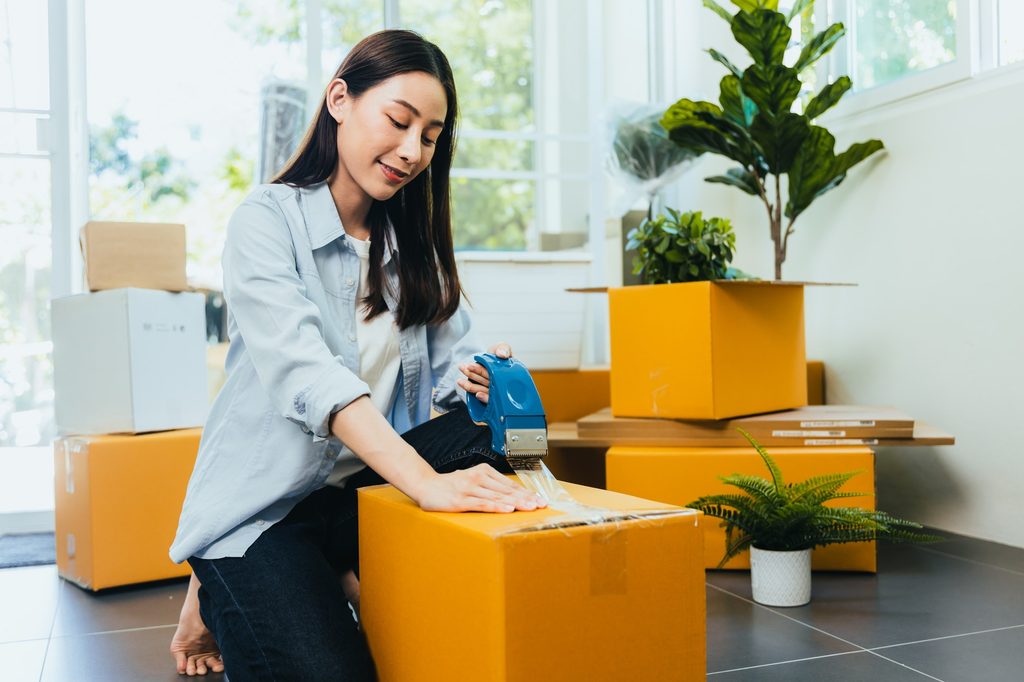
Look inside each box and check the outside, especially the bottom corners, folded edges, and seams. Pass on cartons that feel damp, smell musty, show signs of insects, or have food residue. Also avoid boxes with chemical spills or persistent odors that could transfer to your belongings. A carton does not have to look new, but it should hold its shape and have enough intact material to close properly. Do not rely on tape to compensate for crushed sides or weakened cardboard.
If the boxes are flattened, open them carefully before accepting the batch. This makes missing flaps, split corners, and damage along the folds easier to see. Decide whether each carton is suitable for packing before bringing it into your home. Remove or cover old address labels and confusing markings, then add your own room label when the box is packed. If a box becomes wet or damaged while you store it, reassess it before use. Its condition on packing day matters more than how it looked when you collected it.
Match Your Boxes To The Items Inside
Sort your collection by size before filling anything. Small, sturdy cartons are usually easier to manage for dense belongings such as books, while larger boxes can suit lightweight bedding or soft clothing. Avoid choosing a carton simply because the entire contents of a shelf will fit inside it. Consider how heavy the finished package will be and whether you can lift and carry it comfortably. The flaps should close normally without bulging or pressing against the items inside, and loose contents need suitable cushioning.
Fragile belongings need more thought than everyday soft goods. A free box that fits an item exactly may leave no room for protective wrapping. Lamps, for example, need space for their separately packed components, and shades should not be squeezed beside heavy bases. This guide to packing lamps for a move explains those differences. If you have the original packaging for electronics, check that the carton and fitted inserts are intact. Match the packaging to the item instead of forcing a delicate possession into whichever free box happens to be available.
Collect In Stages And Keep A Useful Count
Before spending another evening researching where to get free moving boxes, take stock of what you already have. Count usable small, medium, and large cartons separately, and set aside anything unsuitable. Then look through the rooms you still need to pack. A collection of large boxes does not solve a shortage of small cartons for books or pantry items. Sorting belongings before collecting more packaging also helps you avoid finding boxes for things you intend to donate, sell, or leave behind.
Pack a representative cupboard or shelf to see how your available sizes work in practice. Use that experience to guide your next request, rather than relying on a fixed box count based only on the number of bedrooms. Keep unused cartons flattened in a dry indoor space, clear of walkways and places where they could get wet. Recheck your supply as each room is finished. Collecting in stages keeps the house more manageable and makes it easier to stop asking once you have enough for the work remaining.
Know When To Stop Searching
Set a point in your packing schedule when you will stop waiting for free offers. If moving day is approaching and several rooms remain unpacked, an uncertain pickup can delay more than it saves. Consider the time needed to message donors, travel, inspect cartons, and bring them home. A nearby batch in suitable sizes may be worthwhile; a lengthy trip for damaged or oversized boxes may not be. You can decline an unsuitable offer politely and keep looking closer to home.
Some belongings call for specialty moving boxes and packing materials, such as wardrobe cartons, mirror boxes, or protective cushioning. Plan for those needs separately instead of assuming a mixed collection of used cartons will cover everything. Buying a few appropriate supplies can complement the free boxes you have already gathered. If movers will handle your packed belongings, ask about any packaging requirements before sealing unusual or fragile items. This gives you time to make adjustments and prevents the search for free materials from becoming the reason you are still packing when help arrives.
Turn Your Collection Into A Practical Packing Plan
Once you know where to get free moving boxes, concentrate on getting suitable cartons packed, labeled, and ready. Confirm the pickups you still need, decline duplicates, and tell anyone saving boxes for you when you have enough. Keep a few appropriate cartons available for belongings you will use until the final day. After unpacking, inspect the boxes again and offer reusable ones to another household. Be honest about their condition, and arrange a clear pickup so the next person can put them to use.
For a move in Painesville or elsewhere in Northeast Ohio, Morse Van Lines offers moving services, packing assistance, and moving supplies. Share what you have already packed and which belongings still need attention when discussing your move. Whether you are preparing for a nearby relocation or a longer trip, that conversation can help you identify the remaining work and request an estimate suited to your needs. Bringing your box collection into that plan helps connect the preparation you have done with the moving help you need.